
The Post Title 2
- Gianna Brown
- Sep 4, 2025
- 4 min read

In today's fast-paced world, finding balance can feel like a daunting task. Many of us juggle work, family, and personal interests, often leaving little time for ourselves. However, achieving a sense of balance is not only possible, but it can also lead to a more fulfilling life. In this post, we will explore practical strategies to help you find that balance, allowing you to thrive in all areas of your life.
Understanding Balance
Balance is not just about dividing your time equally among various activities. It is about prioritizing what matters most to you. This means recognizing your values and aligning your daily actions with them.
The Importance of Balance
When you achieve balance, you can reduce stress and increase your overall happiness. Here are some key benefits of finding balance in your life:
Improved mental health: A balanced life can lead to lower levels of anxiety and depression.
Better relationships: When you prioritize your time, you can nurture your relationships with family and friends.
Increased productivity: A balanced approach allows you to focus better on tasks, leading to higher efficiency.
Identifying Your Priorities
To find balance, start by identifying your priorities. What is most important to you? Consider the following areas:
Work: What are your career goals?
Family: How much time do you want to spend with loved ones?
Health: Are you prioritizing your physical and mental well-being?
Personal Growth: What hobbies or interests do you want to pursue?
Social Life: How important are friendships and social activities to you?
Creating a Priority List
Once you have identified your priorities, create a list. Rank them in order of importance. This will serve as a guide for how you allocate your time and energy.
Time Management Techniques
Effective time management is crucial for achieving balance. Here are some techniques to help you manage your time better:
1. The Pomodoro Technique
This method involves working in short bursts, typically 25 minutes, followed by a 5-minute break. After four cycles, take a longer break of 15-30 minutes. This technique can help maintain focus and prevent burnout.
2. Time Blocking
Allocate specific blocks of time for different activities. For example, set aside mornings for work tasks and afternoons for family time. This helps create structure in your day.
3. Prioritize Tasks
Use a system like the Eisenhower Matrix to categorize tasks based on urgency and importance. Focus on what truly matters and delegate or eliminate less important tasks.
Setting Boundaries
Setting boundaries is essential for maintaining balance. Here are some tips for establishing healthy boundaries:
1. Learn to Say No
It is okay to decline invitations or requests that do not align with your priorities. Saying no can free up time for what truly matters.
2. Limit Work Hours
If you work from home, set specific work hours. Communicate these hours to colleagues and family members to minimize interruptions.
3. Create Personal Time
Schedule time for yourself, whether it is for exercise, reading, or simply relaxing. Treat this time as non-negotiable.
Embracing Flexibility
While structure is important, flexibility is equally vital. Life is unpredictable, and sometimes plans change. Here are ways to embrace flexibility:
1. Be Open to Change
Understand that your priorities may shift over time. Be willing to adjust your schedule and goals as needed.
2. Practice Mindfulness
Mindfulness can help you stay present and adapt to changes without feeling overwhelmed. Consider incorporating mindfulness practices, such as meditation or deep breathing, into your daily routine.
Finding Joy in the Journey
Balance is not just about achieving a perfect schedule. It is about finding joy in the journey. Here are some ways to cultivate joy:
1. Celebrate Small Wins
Acknowledge your achievements, no matter how small. Celebrating progress can boost motivation and happiness.
2. Connect with Nature
Spending time outdoors can enhance your mood and provide a sense of peace. Consider taking walks, hiking, or simply enjoying a park.
3. Engage in Hobbies
Make time for activities that bring you joy. Whether it is painting, gardening, or playing an instrument, hobbies can provide a much-needed escape.
Seeking Support
Finding balance can be challenging, and it is okay to seek support. Here are some ways to connect with others:
1. Talk to Friends and Family
Share your goals and challenges with loved ones. They can offer encouragement and support.
2. Join a Community
Consider joining groups or clubs that align with your interests. Connecting with like-minded individuals can provide motivation and accountability.
3. Seek Professional Help
If you are struggling to find balance, consider speaking with a therapist or coach. They can provide guidance and strategies tailored to your needs.
Staying Committed
Achieving balance is an ongoing process. Here are some tips to stay committed:
1. Regularly Review Your Priorities
Set aside time each month to review your priorities and adjust your schedule as needed. This will help you stay aligned with your goals.
2. Practice Self-Compassion
Be kind to yourself. Understand that it is normal to have ups and downs. Allow yourself grace during challenging times.
3. Keep a Journal
Writing down your thoughts and feelings can help you reflect on your journey. Journaling can also provide insights into what is working and what needs adjustment.
The Path to Balance
Finding balance is a personal journey. It requires self-reflection, commitment, and a willingness to adapt. By identifying your priorities, managing your time effectively, and embracing flexibility, you can create a life that feels fulfilling and balanced.
As you embark on this journey, remember that balance is not a destination but a continuous process. Celebrate your progress, seek support when needed, and most importantly, enjoy the journey.
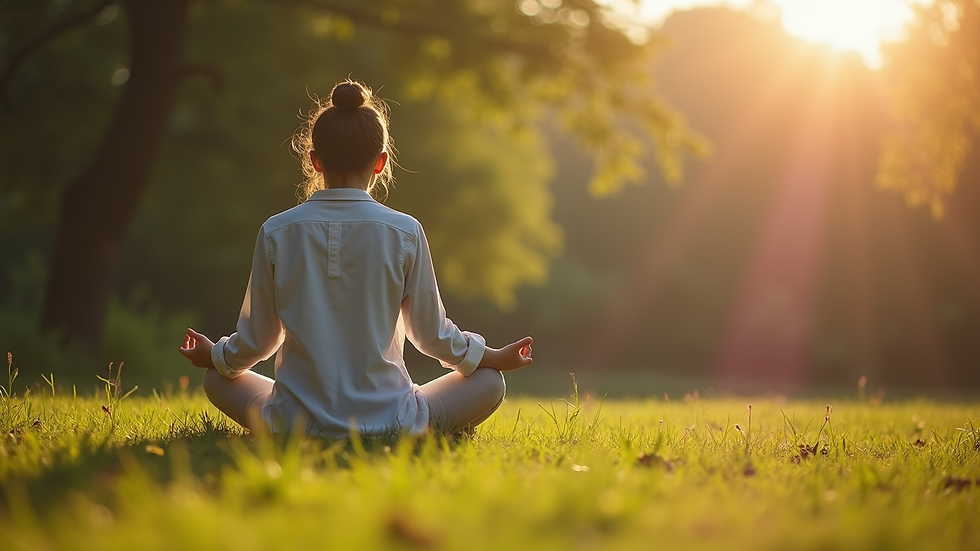
Finding balance may take time, but with patience and persistence, you can create a life that aligns with your values and brings you joy. Embrace the journey, and you will discover the beauty of a balanced life.


Comments